It's the end of 2025. My wife, my brother, and I all want to start doing more writing on the internet. Like, really this time. I had this idea that we should do a few "mini-sprints" to close out the year, to create artificial deadlines and hold each other accountable.
So we held a meeting. We made a plan, broken into reasonable chunks. We made ourselves a little Discord server so that we'd have an easier way to check in with each other and collaborate on our writing. We picked our topics - Becca is reviewing a book she read recently, and Kyle and I are each writing posts about history.
They both knew what they wanted to write about right away. I had four or five ideas floating around in my head, so I figured I'd take the first day and just let myself wander through each of them, collecting resources and maybe picking one to really focus on for our first mini-sprint.
Then I saw her.
The Idea
One idea for posts on our history blog is to gather images, documents etc. in the public domain that fit into a theme and make a little curated collection exploring the items. Like maybe something like "The Kitchen in Early America", and picking a few interesting items and writing a paragraph or two about them. More like what you'd see wandering through an exhibit at Old Sturbridge Village than a high school history essay.
I figure it's relatively easy and fun, and the amount of research needed for a single article isn't as high. It also doesn't need to have much of an argument or a point, other than "these things are kinda neat."
The Met Collection is a great way to do this. Not only do they have thousands of public domain images available, you can search by how they're organized in the museum's actual collection. For example, searching for "tea" under the American Wing - and it's helpful to check "Artworks With Image" and "Open Access" - gives you a bunch of different items like below. One could easily imagine how you could write a post briefly exploring each item.

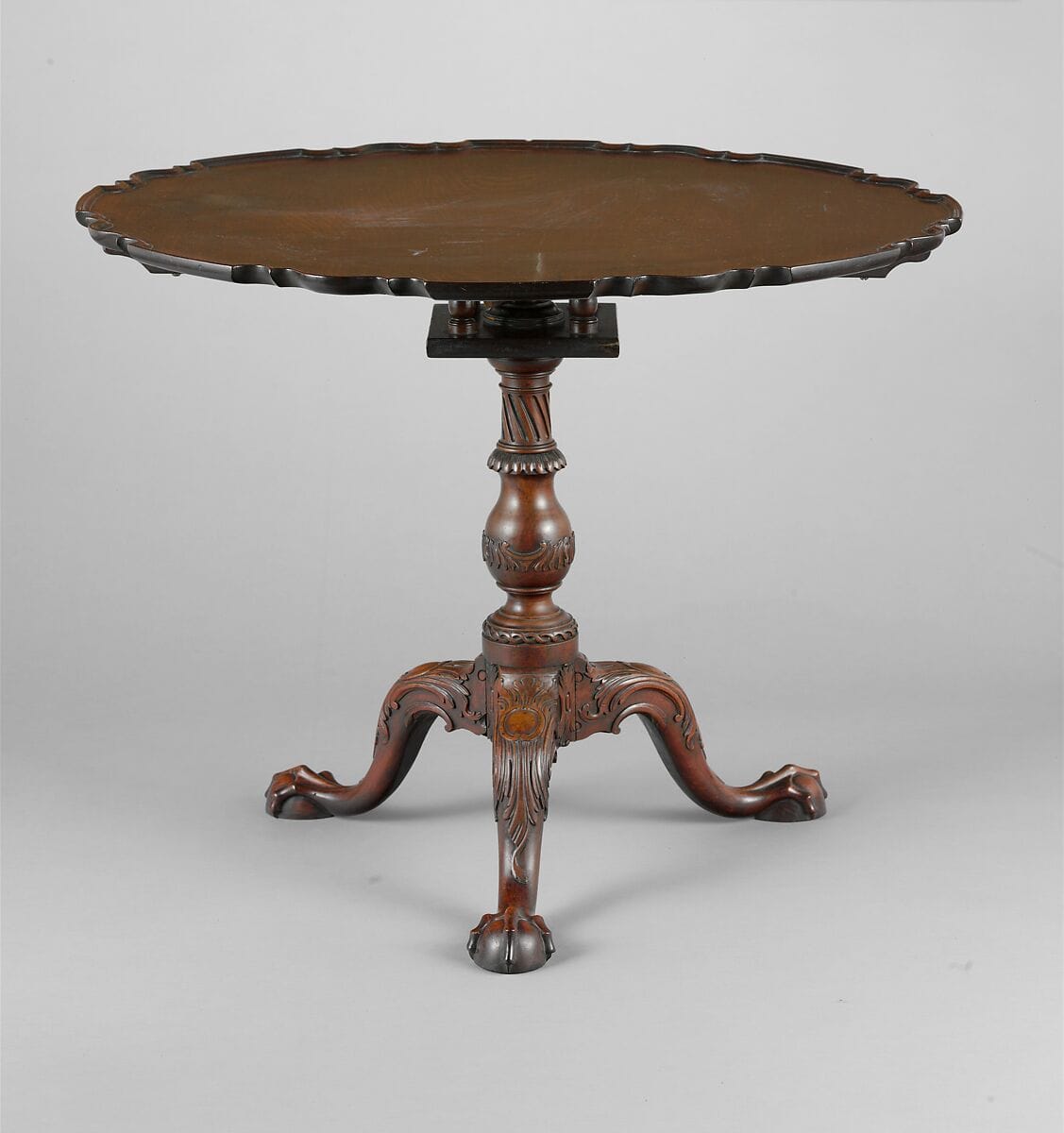
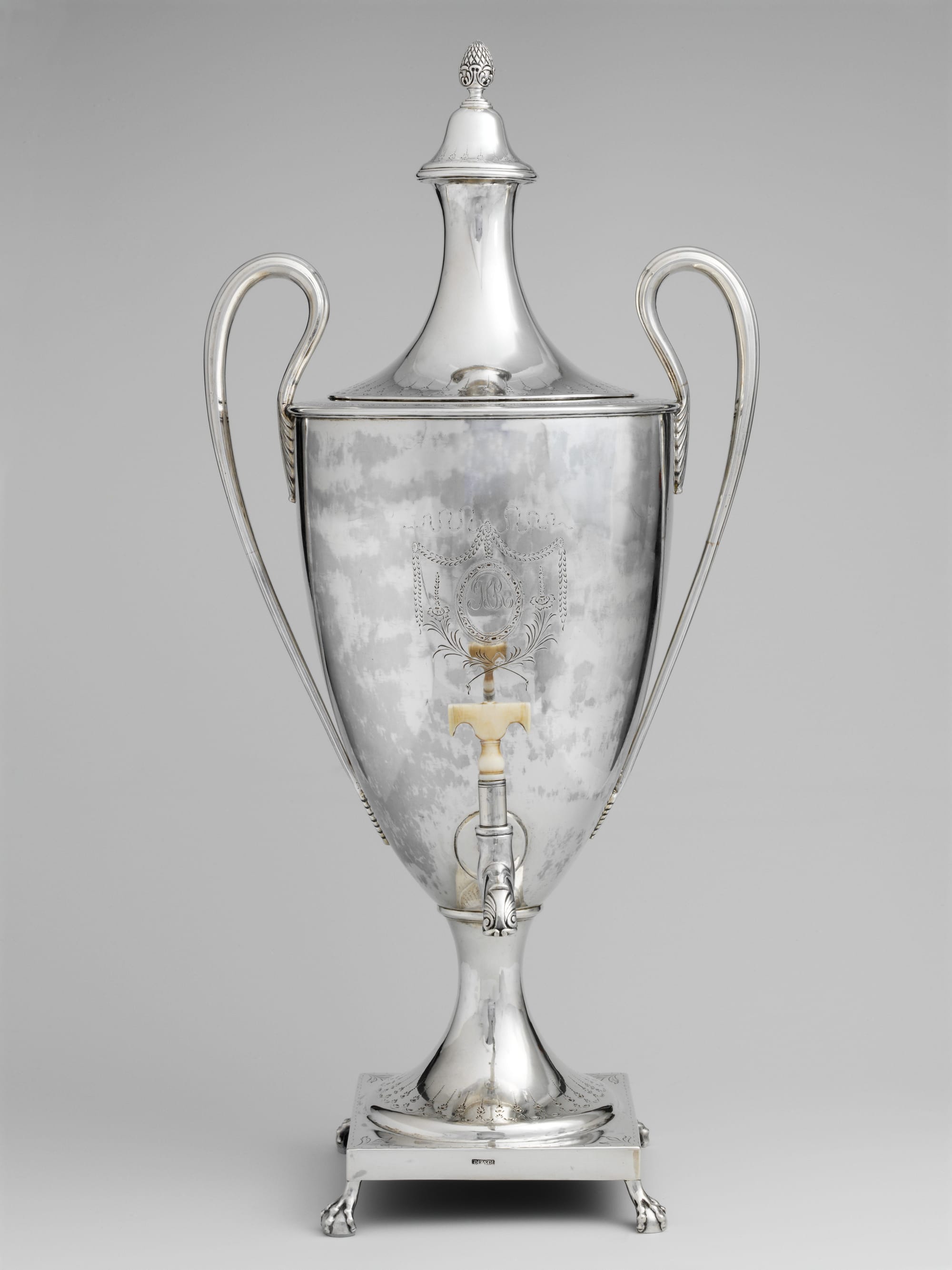
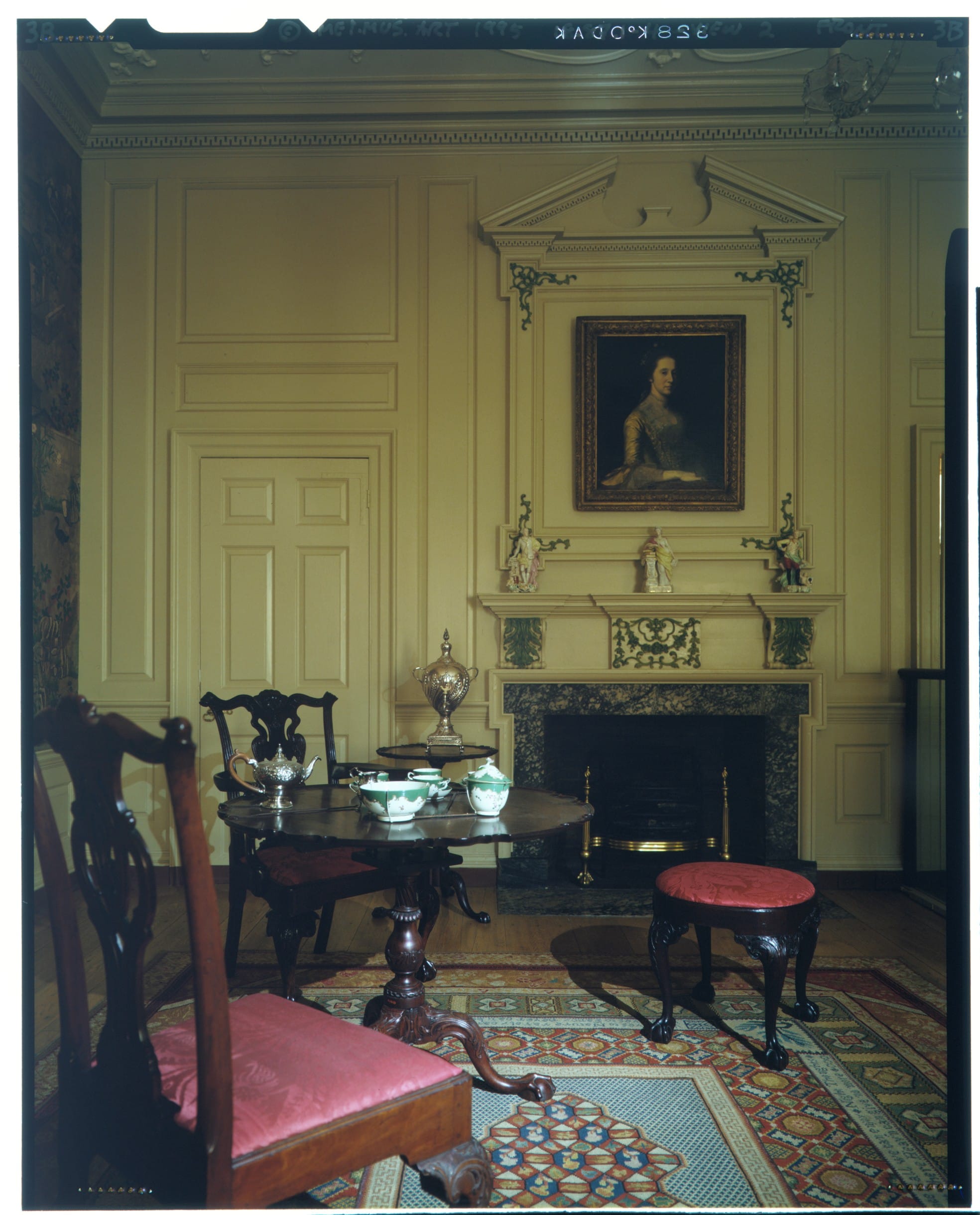
A collection of tea-related photos featured in the American Wing department / The Met
The Discovery
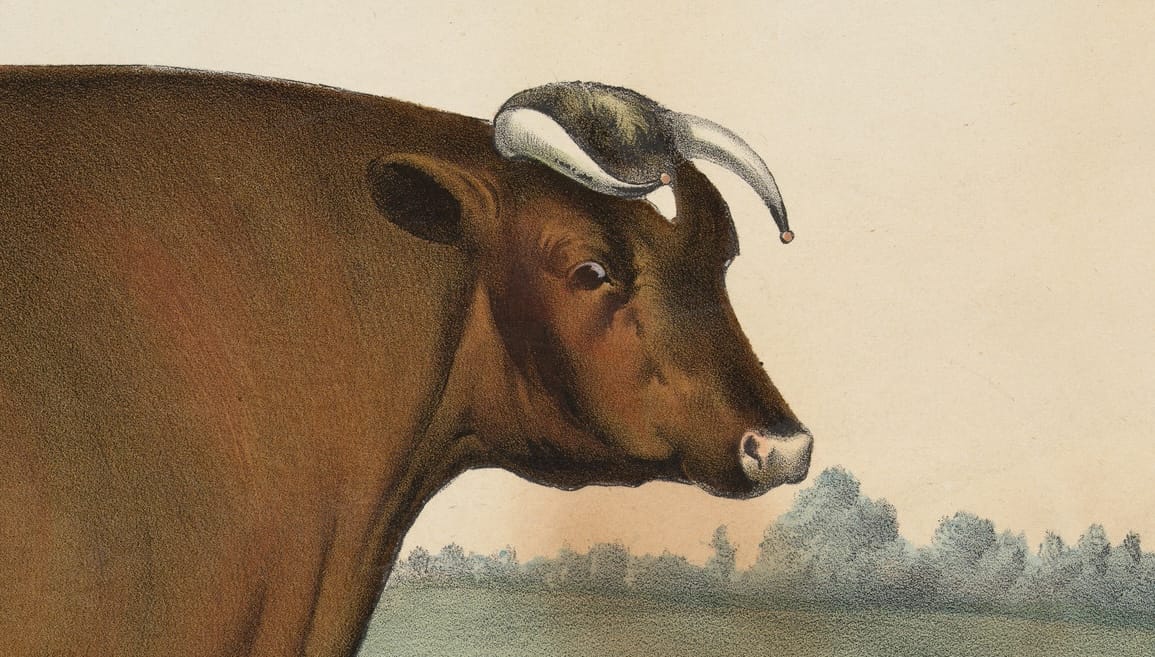
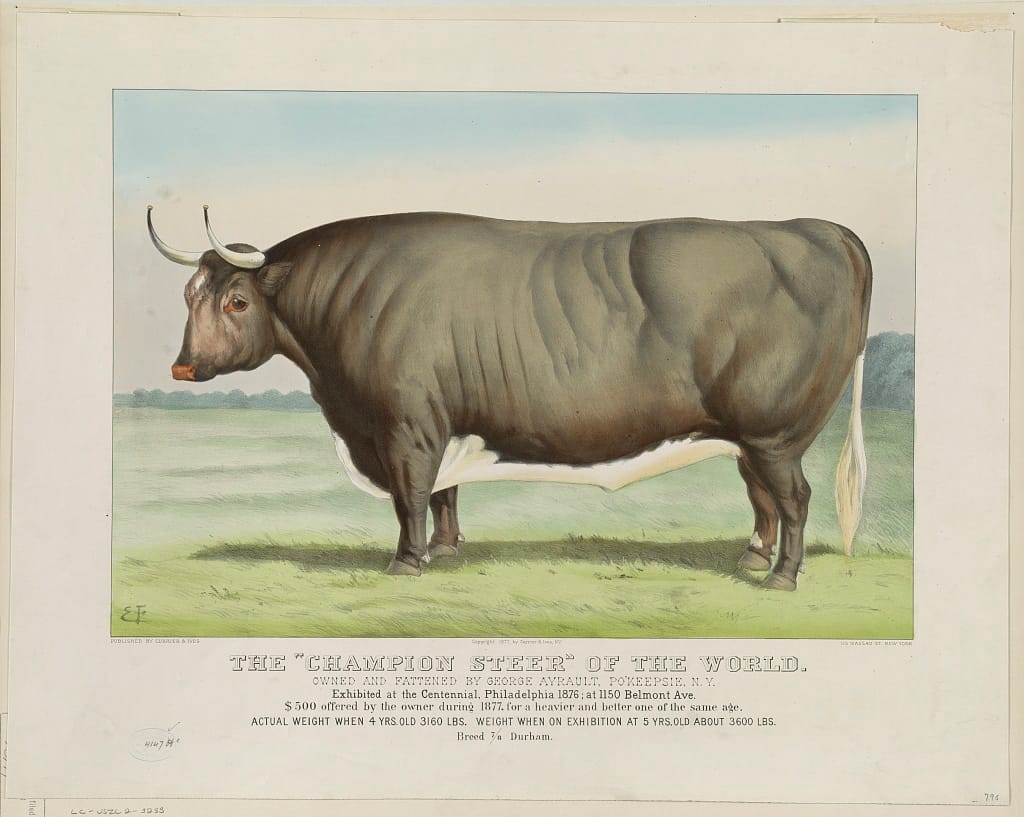
So I was clicking around, exploring random things in the collection. I'm actually not sure what I was looking for, but the below image immediately caught my eye.

First of all, it's almost surreal. Like, that is a hefty cow.
Second, the Met has a lot of information on the background behind this image. It was created by a lithography firm called Currier & Ives, and this cow was apparently on display at the Centennial International Exhibition of 1876. I'd never even heard of this before, but apparently it was the first world's fair held in the United States and was meant to celebrate the centennial of the signing of the Declaration of Independence.
So now I've got an awesome image with an awesome backstory, and the wheels are turning in my head. The exhibition ran for quite a few months and took a ton of effort to plan, so there's writing opportunities for both the exhibition as a whole and shorter ones about various attractions like this one. I figure over 2026 - 250 years after the signing, apparently called the Semiquincentennial - I can create a bunch of posts looking back on this event and create a series of sorts. The "Queen of Cattle" seemed like a good one to start with.
Then the research started.
The Research
I don't know if you've heard about this thing called artificial intelligence, but it's pretty pervasive at this point. It's been quite useful as a tool in my toolbox as a software engineer, so I was curious about how I could use it as an amateur historian.
So I tinkered with NotebookLM, which is a pretty cool tool by Google that does a decent job in helping both find sources and synthesize them. Through this process of trying to find primary sources about Ayrault's cow the exhibition as a whole, I discovered that the Queen of Cattle may have been accompanied by a king.
NotebookLM first tried to tell me that this was actually the same massive bovine creature, somehow. It seems unlikely, given that this one looks different, is a different age, a different size, and a different gender. I think I convinced it otherwise.
But the point is, this post that I thought would take a day or two of finding a few resources and telling a neat anecdote was actually going to involve combing through whatever documentation I could find about basically an oversized 4H fair from 150 years ago.
Fun? Absolutely. Efficient for this particular project? Not so much.
The Conundrum
So now I need to decide. Do I spend the next four days writing a meticulously-researched post that definitively answers every question I have about this cow? How much digging do I do to find quotes from Ayrault, or Clowes, or exhibition organizers, or attendees?
More importantly: how ok am I going to be with publishing something that might not be perfect?
The Decision
I'm taking my talents to South Beach.
But really, I realized that maybe the most useful thing to do right now is publish something, even if it's not going to win any awards for best cow-related article on the internet. These mini-sprints are four days, which isn't a very long time.
So I published this post instead of the history article. It felt like the right thing to write at this point. It's definitely longer than what I could have written about the Exhibition on such a quick turnaround. And as my colleague Chris, and many others, have said: writing on the internet is hard.
It's not a stellar piece of writing or anything. But it's published. I have one more post written than I did four days ago. And I definitely have a better handle on topics I can write about, and what I can realistically tackle in a four day block.
And, I mean, I still got to tell you about the cow.
